
The Ultimate Guide: How to Find the Best Sunscreen for Combination Skin in India
Finding the perfect skincare routine can feel like a never-ending math problem, especially if you have combination skin and trying to find the best sunscreen for combination skin, One minute your T-zone (forehead, nose, and chin) is shining brighter than a Bollywood star, and the next minute your cheeks feel as dry as a desert.
Because of this constant tug-of-war, choosing a daily sunblock can be incredibly frustrating. Most heavy formulas cause breakouts on your oily areas, while matte sunscreens often leave dry patches flaky. Consequently, many Gen Z and Millennials make the mistake of skipping sun protection altogether.
However, skipping SPF is not an option if you want to protect your skin from premature aging, sunspots, and tan lines. Therefore, let’s break down exactly what to look for and how to choose the best sunscreen for combination skin that actually works in Indian weather.
Why Combination Skin Needs Special Attention
Before diving into solutions, it helps to understand why your skin behaves this way. Combination skin essentially means you experience two distinct skin types simultaneously.
Indian weather conditions are characterized by high humidity and scorching summers, tend to amplify these issues. While the humidity triggers excess sebum (oil) production in your T-zone, air conditioning can simultaneously dry out your cheeks. As a result, you need a smart, balanced formula. Specifically, you need a combination skin sunscreen that offers lightweight hydration without adding greasy shine.
What to Look For in a Combination Skin Sunscreen
When you are hunting for the ideal daily shield, you should keep a few non-negotiable criteria in mind.
-
Gel or Ultra-Lightweight Textures: Heavy creams will inevitably clog your pores. Instead, look for water-based gels or fluid lotions that absorb within seconds.
-
High UV Protection: Ensure your pick offers Broad Spectrum protection with at least SPF 50 and a PA+++ rating to guard against both UVA and UVB rays.
-
Toxin-Free, Safe Ingredients: Your skin is already balancing a lot. Therefore, avoid harsh chemicals like parabens, silicones, and mineral oils that can trigger inflammation or breakouts.
-
Natural Mattifying & Hydrating Agents: Look for traditional Indian ingredients like Turmeric or Aloe Vera, alongside modern dermatological heroes like Niacinamide or Hyaluronic Acid. These ingredients regulate oil while maintaining moisture equilibrium. You can also check our Instagram!
Fortunately, you do not have to spend a fortune to get premium, clean skincare. At Mamaearth, we have specially formulated pocket-friendly, Made Safe certified options crafted keeping Indian skin types and weather in mind.
If you are looking for that ultimate balance, here are two stellar options tailored for you:
1. Mamaearth HydraGel Indian Sunscreen
This gel-based formula is a literal breath of fresh air for combination skin. Because it is enriched with Aloe Vera and Raspberry, it delivers a burst of cooling hydration to your dry cheeks while absorbing quickly without a trace of grease on your T-zone.
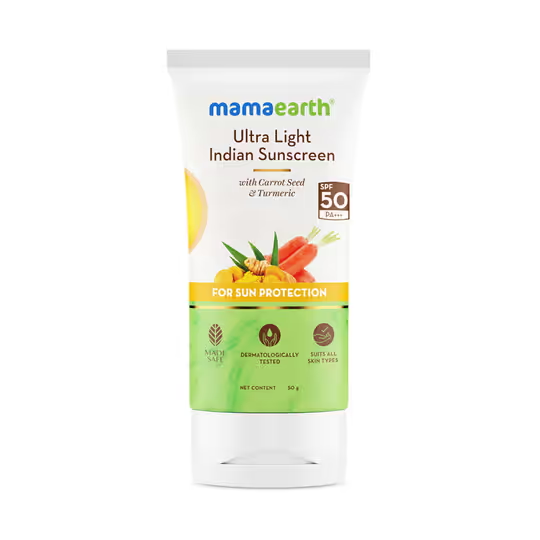
2. Mamaearth Ultra-Light Indian Sunscreen
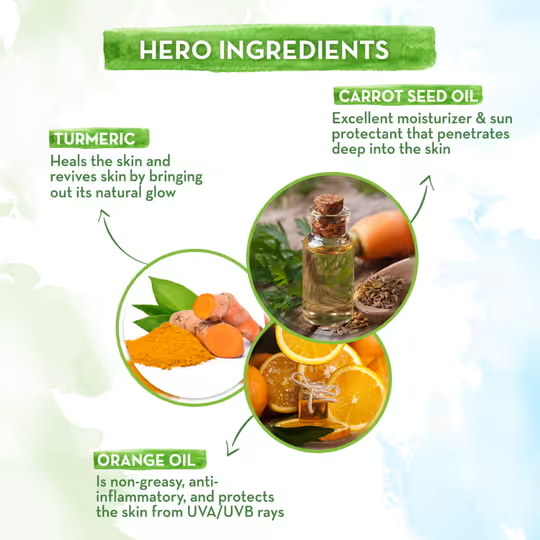
Infused with Carrot Seed Oil and Turmeric, this ultra-lightweight lotion provides heavy-duty SPF 50 protection without the dreaded heavy feel. Furthermore, it leaves zero white cast, making it perfect as a base under makeup or for a quick application before rushing out to college or work.
SEO Quick Summary Table
| Checklist Item | What Combination Skin Needs | How Mamaearth Delivers |
| Texture | Weightless, non-comedogenic (won’t clog pores) | Water-light gel & fluid textures |
| Finish | Non-greasy, natural finish | Zero sticky residue or white cast |
| Safety | Free from harsh irritants | 100% Toxin-free & Made Safe Certified |
| Price | Budget-friendly for daily use | Premium, affordable clean beauty |
Quick Tips to Apply Sunscreen Correctly
To get the absolute best results from your best sunscreen for combination skin, remember to follow these simple rules:
The Two-Finger Rule: Apply two strips of sunscreen directly onto your index and middle fingers to get the correct amount for your face and neck.
Dot and Pat: Instead of rubbing aggressively, dot the sunscreen all over your face and gently pat it in. This prevents your T-zone from over-producing oil.
Don’t Forget the Indoors: Blue light from your phones and laptops can also stress your skin. Thus, wearing sunscreen indoors is just as essential.
Ultimately, managing combination skin doesn’t have to be complicated or expensive. By choosing a toxin-free, lightweight combination skin sunscreen that respects your skin’s unique dual nature, you can step out into the Indian sun with absolute confidence. Checkout our website and fill up the form.